

Hair transplantation has become a leading solution in hair restoration, offering lasting results for individuals experiencing hair loss due to genetics, hormonal changes, or other factors. Among the latest advancements, Micro FUE (Follicular Unit Extraction) stands out as a minimally invasive technique that involves extracting individual hair follicles using micro-punch tools typically smaller than 0.9 mm. These follicles are then strategically implanted into areas with thinning or balding hair.
What sets Micro FUE apart is its precision: the smaller punch size results in less trauma to the scalp, faster healing, and minimal visible scarring. This technique allows for higher graft survival rates, reduced follicular damage, and denser, more natural-looking hair restoration, especially in delicate zones like the hairline and temples.
Patients who choose Micro FUE benefit from quicker recovery, minimal postoperative discomfort, and compatibility with various hair types, including fine and afro-textured hair. While the procedure is generally well-tolerated, common side effects include temporary redness, mild swelling, itching, or shock loss—a normal phase where transplanted hairs shed within the first few weeks before regrowth begins.
The average cost of a Micro FUE hair transplant ranges from €2,800 to €8,000, depending on factors such as the number of grafts, clinic location, and surgeon expertise. According to multiple sources, Turkey—particularly Istanbul—has become a hub for medical tourism in hair restoration, offering top-tier care at more accessible prices (International Society of Hair Restoration Surgery ISHRS, 2023)
For those seeking excellence in both technique and experience, Vera Clinic in Istanbul offers cutting-edge solutions like Micro FUE, DHI Max, Oxycure Therapy, and Stem Cell Hair Treatment, all within a personalized care model. With an internationally certified medical team and a track record in treating diverse hair types and performing unshaved transplants, Vera Clinic is globally recognized for its clinical expertise and patient satisfaction.
What Is Micro FUE Hair Transplant?
Micro FUE is an advanced hair restoration method that involves the extraction and transplantation of individual follicular units using microsurgical instruments with diameters typically less than 0.9 mm. The term “micro” refers to the minimal size of the punch tool used to harvest hair grafts from the donor area—commonly the occipital scalp—which minimizes tissue trauma, accelerates healing, and leaves virtually no visible scarring as indicated by Cole J.P. (2013). According to Northwestern Hair Restoration.com the term MICRO in Micro FUE, stands for “Minimally Invasive Collection by Reticular Oscillation”.
Reticular is defined as the thick bottom layer of the dermis (the inner layer of the skin), whereas Oscillation refers to the ‘oscillatory punch movements’ used for harvesting the grafts. The majority of the precise graft extraction tools used in Micro FUE hair transplant technique involve the use of ‘oscillatory’, ‘roto-oscillatory punch movements’ and ‘vibration features’.
How Does Micro FUE Hair Transplant Work?
Micro FUE Hair Transplant extracts follicular units using ultra-fine punches (less than 0.9 mm) and implants them into thinning or balding areas. Performed under local anesthesia, it’s minimally invasive and leaves no linear scars. This technique offers greater precision, reduced trauma, and quicker recovery compared to traditional methods like FUT.
The procedure begins with preparation and anesthesia, followed by micro-punch extraction of hair follicles, which minimizes tissue damage and speeds up healing. Grafts are stored in a temperature-controlled medium to ensure optimal viability. Tiny incisions are made in the recipient area, where the grafts are precisely implanted to match the natural hair pattern, ensuring a smooth and natural result.
If you wonder How do Hair Transplants Work, check out our article with further insights into the process!
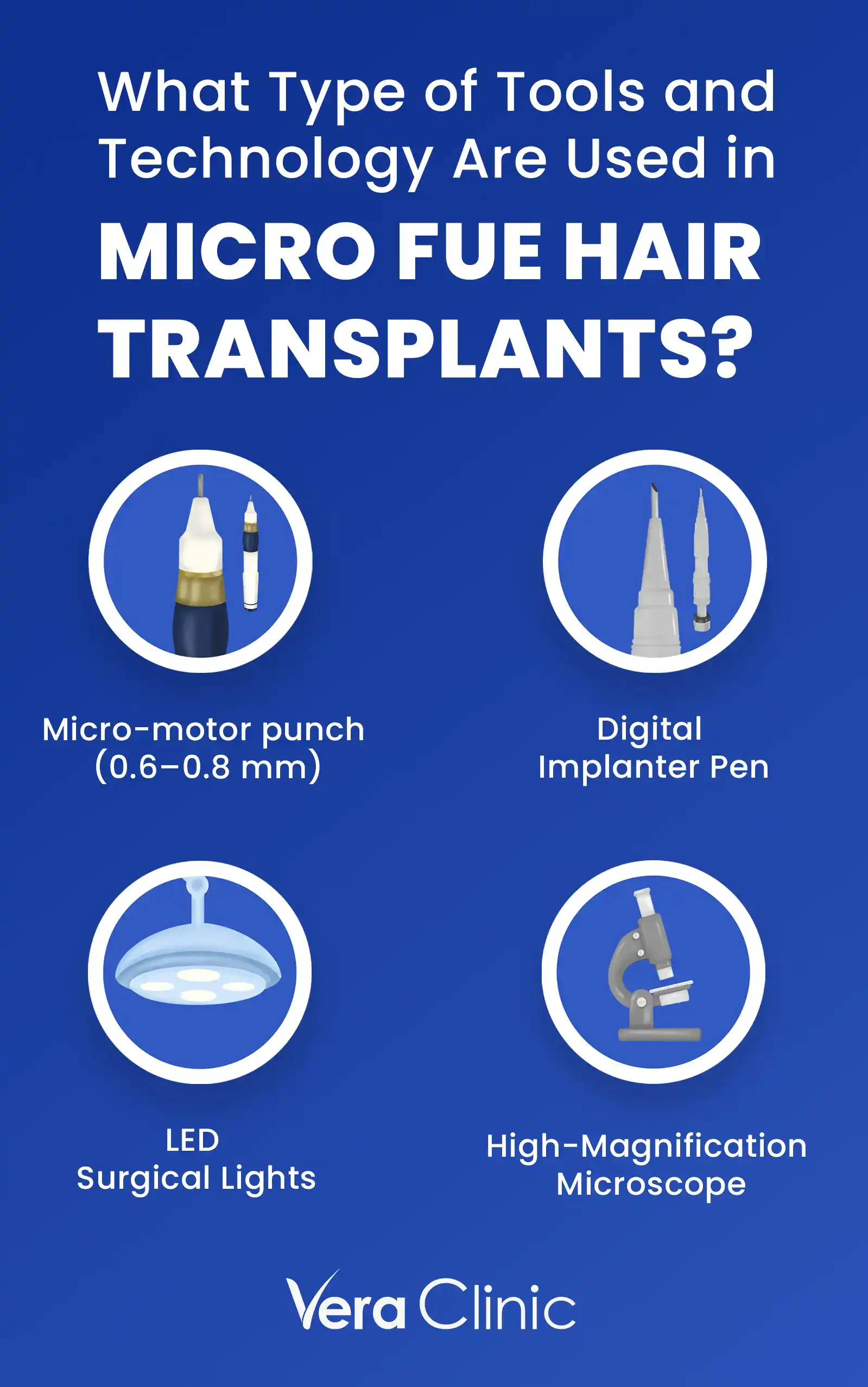
What Type of Tools and Technology Are Used in Micro FUE Hair Transplants?
Micro FUE hair transplants rely on specialized microsurgical instruments, including ultra-fine punches (typically 0.6–0.9 mm in diameter), motorized or manual extraction devices, and advanced implantation tools such as sapphire blades or Choi implanter pens. The advanced technology that is used facilitates the precise extraction and implantation of individual follicular units, minimizing tissue trauma and enhancing aesthetic outcomes, as indicated by Dr. Kouremada-Zioga (2013).
Micro FUE-compatible tools include the Powered Cole Isolation Device (PCID), designed for high-precision extractions with rotational and oscillation motion, and the Trivellini Mamba System, which offers oscillation, rotation, and vibration modes to adapt to various follicle angles and depths, as outlined by Dr. Kavish Chauhan et al. (2024).
The WAW FUE System (Hybrid Trumpet Punch) and motorized punches by Cole Instruments further enhance precision by using hybrid punches and small diameters (as small as 0.75 mm), all prioritizing graft survival and minimal trauma. These tools are designed to optimize graft survival, minimize damage, and enable customizable motion, all while maintaining high precision and efficiency.

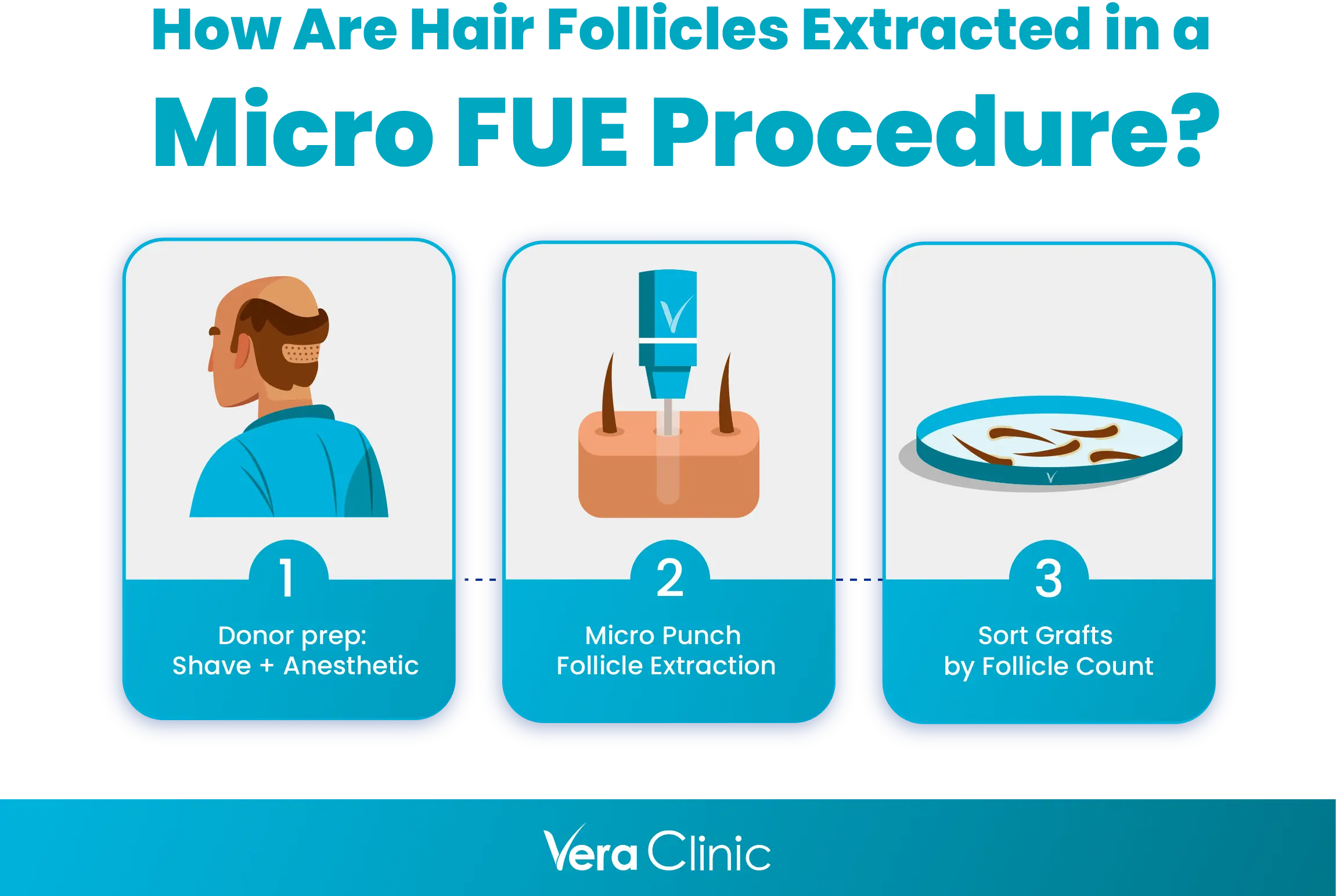
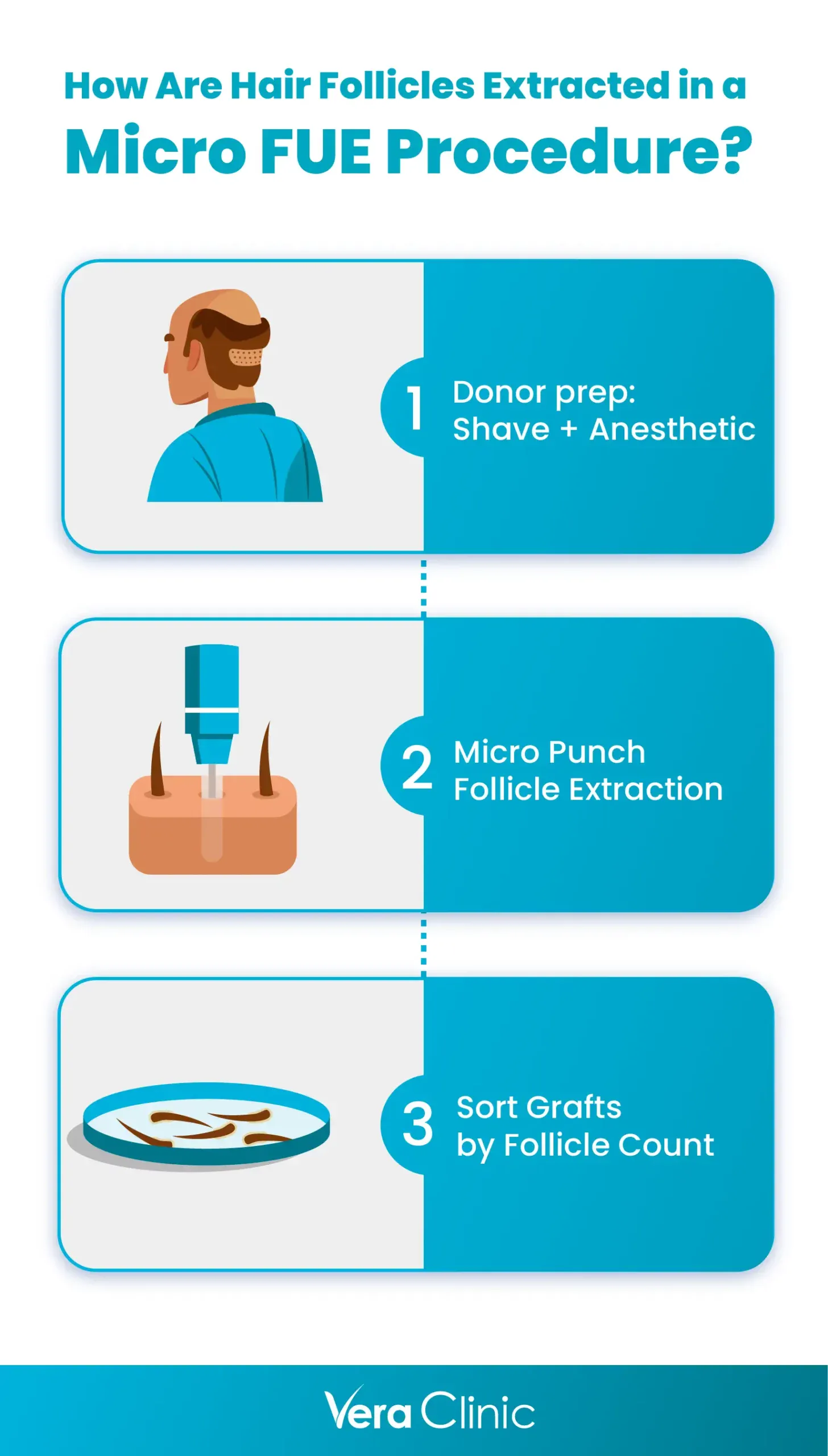
How Are Hair Follicles Extracted in a Micro FUE Procedure?
In Micro FUE, individual hair follicles are extracted from the donor area using ultra-fine punches. These punches isolate each follicular unit, which is then carefully removed with forceps, ensuring minimal damage to the follicle and surrounding tissue.
The extraction process involves creating a circular incision around the follicular unit with a micro-punch, followed by gentle extraction using forceps. The small size of the punch minimizes scarring and accelerates the healing process.
Micro punches enhance the precision of follicle extraction by allowing for the isolation and removal of individual follicular units with minimal damage to surrounding tissues, thereby improving graft viability and reducing scarring as stated by Cole, J. P. (2013).
The small diameter of micro punches (0.6–0.9 mm) enables surgeons to target individual follicular units accurately, minimizing the risk of transecting adjacent follicles. This precision reduces trauma to the donor area, leading to faster healing and less visible scarring as indicated by Yamamoto. K. (2011). The reduced tissue disruption contributes to higher survival rates of the transplanted grafts, enhancing the overall success of the procedure.
How Are the Extracted Hair Grafts Preserved Before Implantation in Micro FUE?
Extracted hair grafts are preserved in a temperature-controlled physiological solution to maintain their viability until implantation as stated by Dr. H A Martino Neumann, from the Hair Science Institute. (2014)
Post-extraction, grafts are immediately placed into a chilled, isotonic solution that mimics the body’s natural environment. This preservation method reduces metabolic activity and prevents desiccation, thereby enhancing graft survival rates as indicated by Dr. Coen G Gho et al. (2014)

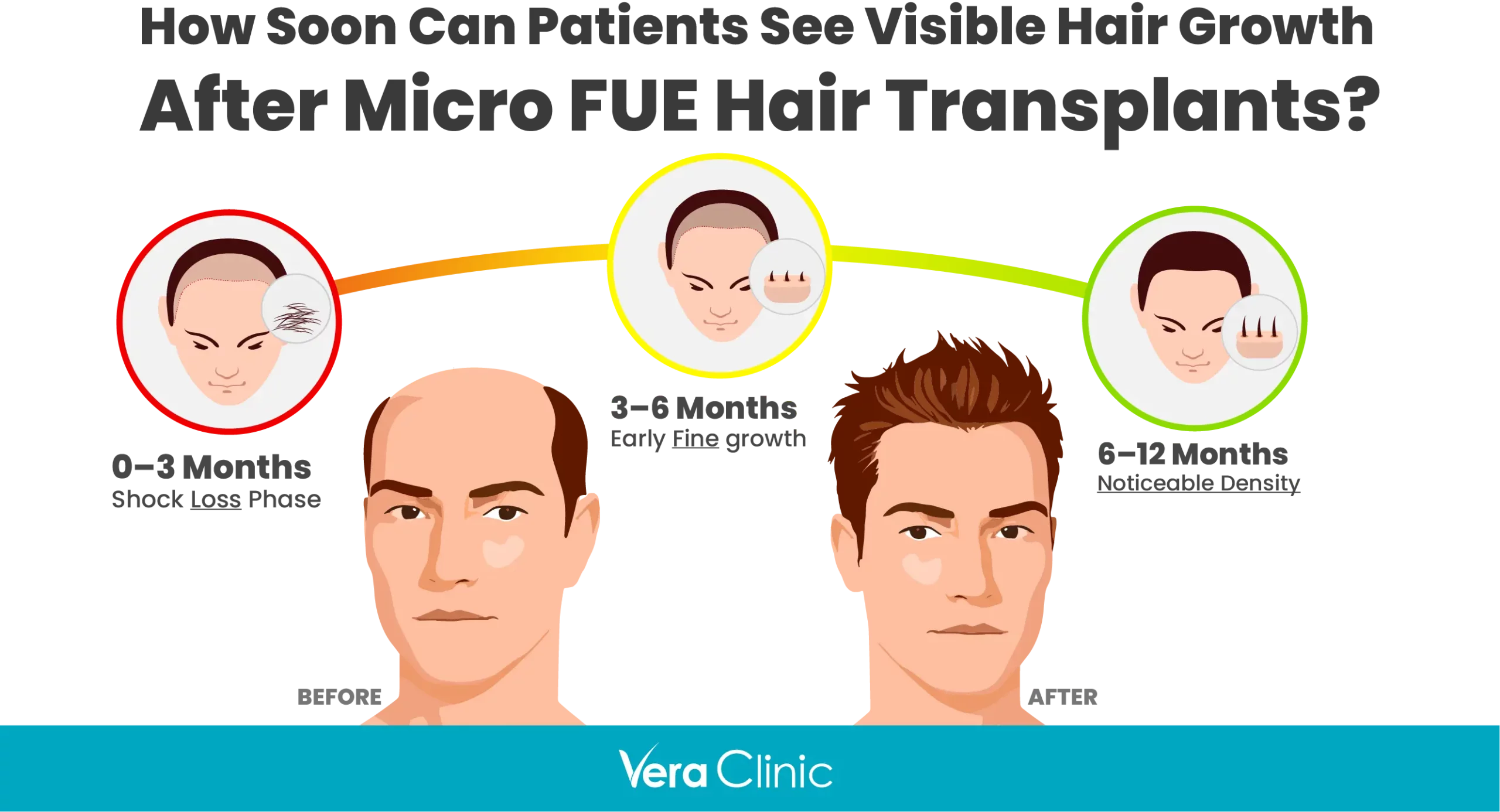
How Soon Can Patients See Visible Hair Growth After Micro FUE Hair Transplants?
Following transplantation, the newly implanted hairs often enter a resting phase, leading to temporary shedding within the first few weeks. This is a normal part of the hair growth cycle. New growth usually commences around the third month, with noticeable density and length improvements over the subsequent months. By the one-year mark, most patientsmay see the full aesthetic benefits of the procedure.
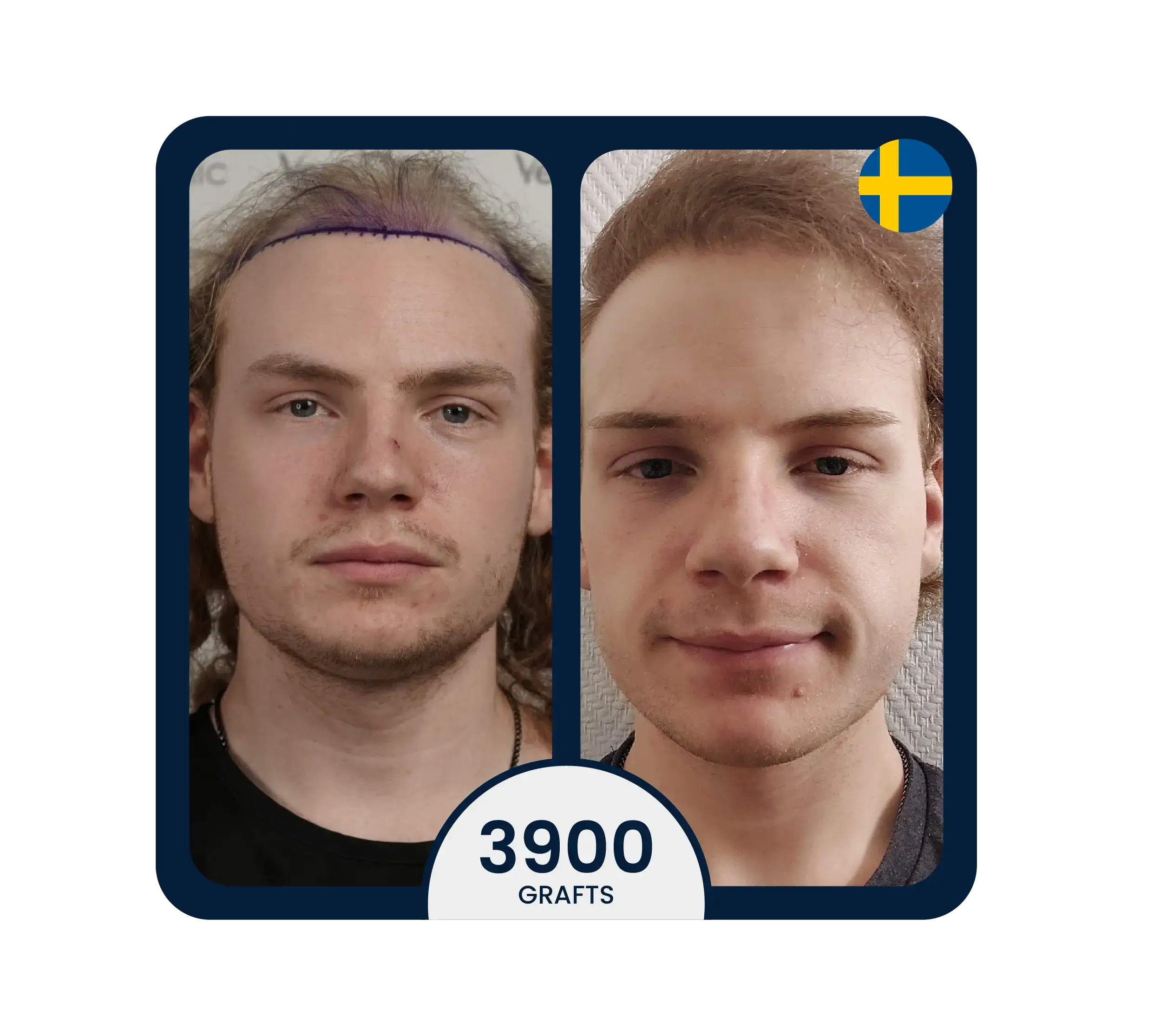
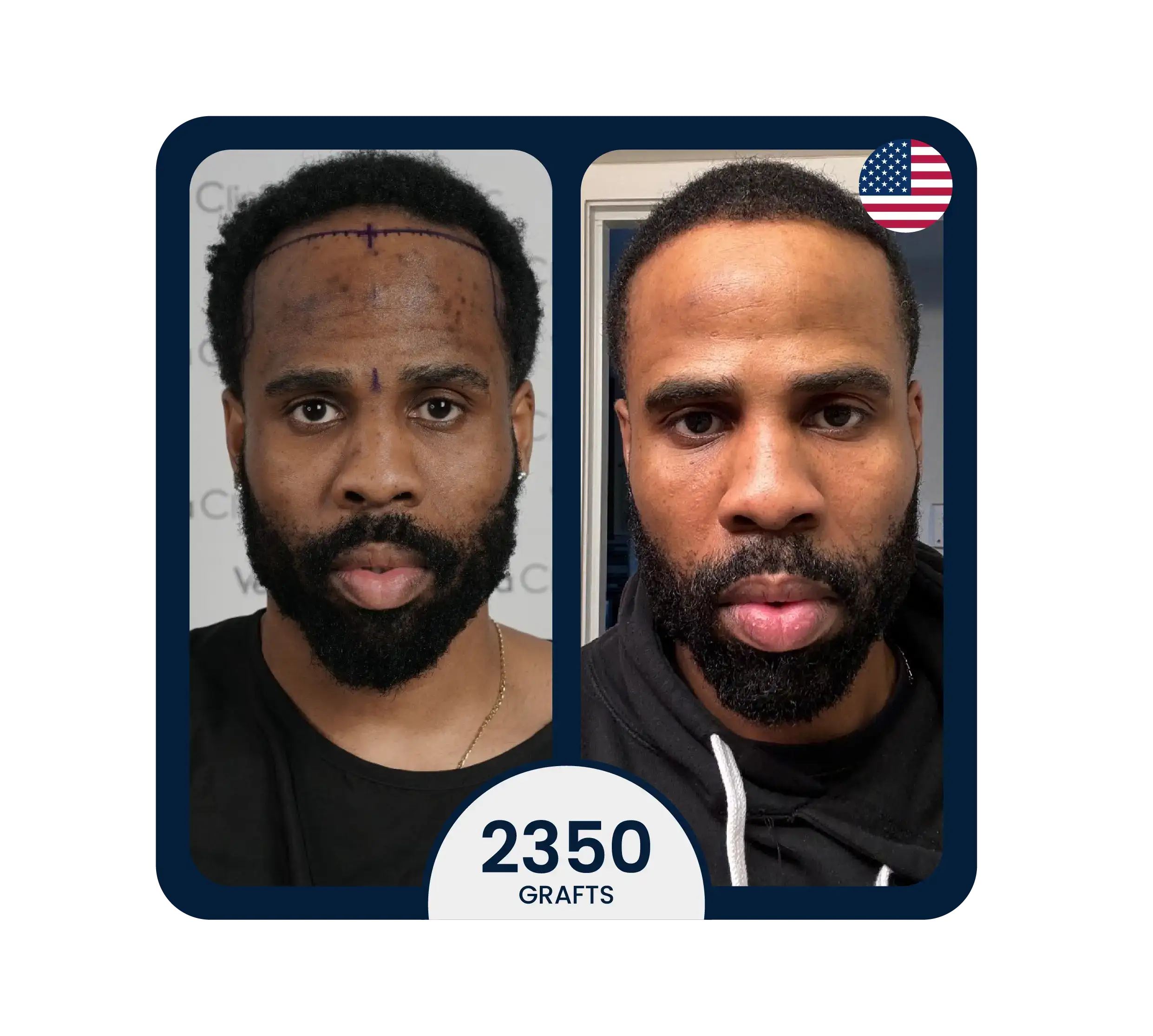
What Does Micro FUE Hair Transplant Look Like Before and After?
Before a Micro FUE hair transplant, patients often experience receding hairlines or thinning areas. After the procedure, grafts are placed with high precision using ultra-fine tools, allowing for dense, natural-looking results in a single session. The final outcome typically becomes visible between 12 to 18 months, with fuller coverage and improved hairline definition.
The final appearance of hair transplant before and after photos is maximum coverage and a natural looking hairline that blends perfectly with the existing hair.


What Is the History of Micro FUE Hair Transplants?
The first hair restoration technique dates back to the 1980s when the concept was first introduced, and the technique gained broader recognition in 2002 through the work of Drs. Rassman and Bernstein, who helped popularize Follicular Unit Extraction (FUE). In the early 2010s, Dr. Kouremada-Zioga, a fellow of the International Society of Hair Restoration Surgery (ISHRS), refined the technique using ultra-small punches (0.6–0.75 mm) and pioneered advanced methods for unshaven transplants and dense packing. Micro FUE evolved from these innovations in history of hair transplants, and in 2013, Dr. Kouremada-Zioga introduced techniques such as Micro-FUE and Unshaven U-FUE, marking a significant advancement in the field.
Is Micro FUE Hair Transplant an Advanced Technology from FUE Hair Transplant?
Yes, Micro FUE is an advanced, next-generation refinement of the traditional Follicular Unit Extraction (FUE)technique. While FUE is the foundation of Micro FUE, the latter introduces critical improvements in instrumentation, technique, and outcome predictability. The primary distinction lies in the size and functionality of the tools: traditional FUE Hair Transplant typically uses punches ranging from 0.9 mm to 1.2 mm, whereas Micro FUE employs micro-punches as small as 0.6–0.75 mm, allowing for more delicate and controlled extractions, as noted by Dr. Thomy Kouremada-Zioga (2013).
This refinement has been driven by both clinical outcomes and patient demands. Smaller punches significantly reduce transection rates (damage to follicles), minimize scarring, and improve graft survival rates, especially in dense or hard-to-harvest areas like the temples or hairline.
How Does Micro FUE Differ from FUE Hair Transplant?
Micro FUE is an advanced version of the traditional FUE (Follicular Unit Extraction) technique. The difference of Micro FUE and FUE Hair Transplant primarily lies in the size of the tools, precision, and the resulting outcomes. While traditional FUE uses punches ranging from 0.9–1.2 mm, Micro FUE uses smaller, 0.6–0.75 mm micro-punches, often with advanced motorized systems. This allows for greater precision, less tissue trauma, and improved graft survival rates.
Micro FUE is especially effective for delicate cases such as unshaven procedures, temple areas, eyebrows, or afro-textured hair, and offers faster healing with minimal scarring. Although it comes at a higher cost—typically €2,500 – €6,000 due to the advanced technology and customization involved, clinics in countries like Turkey provide high-quality, affordable options.
What Are the Benefits of Micro FUE Hair Transplants?
The benefits of Micro FUE hair transplants are outlined below:
- Minimal Scarring: Thanks to punch sizes ranging between 0.6 mm and 0.75 mm, Micro FUE leaves virtually undetectable scars—ideal for those who wear short haircuts or wish to avoid visible signs of surgery.
- Faster Healing Time: Smaller incisions mean less tissue trauma. Most patients experience faster healing within 5–7 days, allowing them to return to work and daily activities sooner than with traditional methods.
- Natural-Looking Results: The precision of micro punches enables dense packing and accurate angulation during implantation, resulting in softer, more natural hairlines that mimic native hair growth.
- High Graft Survival Rate: With reduced transection and mechanical stress during extraction, follicular units remain healthier, which contributes to a higher graft survival rate and long-term success.
- Suitable for Unshaven Procedures: Micro FUE supports partial or completely unshaved transplants, making it especially popular among women or individuals who prefer discreet treatments without altering their appearance.
- Minimal Discomfort During and After Surgery: The reduced invasiveness translates to less bleeding, swelling, and post-operative pain, enhancing overall patient comfort and reducing dependency on pain medications.
- Ideal for Delicate or Specialized Areas: Micro FUE is well-suited for restoring temples, eyebrows, and beard areas, where precision is paramount and graft density must be tightly controlled.
- Lower Risk of Complications: With less trauma to both donor and recipient zones, the risk of complications such as infection, cyst formation, or excessive scarring is significantly reduced.
- Aesthetic Flexibility: Because of its refined extraction technique, Micro FUE allows for individualized hairline design, adjusting hair angle, direction, and density to meet patient-specific goals.
- Long-Lasting and Stable Outcomes: When performed by experienced surgeons in reputable clinics like Vera Clinic in Turkey, Micro FUE results are durable, natural, and backed by clinical excellence, often supported with regenerative therapies like PRP or stem cell enhancement.
Who Are Good Candidates for Micro FUE Hair Transplants?
A suitable candidate for Micro FUE hair transplantation is typically someone experiencing hair loss who seeks a minimally invasive, highly precise procedure with natural-looking outcomes and a shorter recovery period. This includes a variety of patient profiles, as outlined below:
- Individuals with Mild to Moderate Hair Loss: Patients in Norwood stages II to IV typically benefit the most from Micro FUE, as their donor areas are usually healthy and suitable for precision extraction.
- Patients with Sufficient Donor Hair: Successful Micro FUE relies on a stable and dense donor area, typically at the back or sides of the scalp, where follicles are genetically resistant to balding.
- People Seeking Natural Hairline Reconstruction: Because Micro FUE allows for highly customized hairline design, it is ideal for those wanting subtle yet dense restorations—especially around the frontal zone, temples, and widows peak.
- Women with Diffuse Thinning or Receding Hairlines: Micro FUE is compatible with unshaven or partially shaved procedures, making it suitable for women who wish to avoid drastic changes to their appearance during the recovery phase.
- Candidates for Facial Hair Restoration: This technique offers excellent results for eyebrow, beard, and mustache transplants, thanks to the ability to match angle, depth, and direction with natural hair patterns.
- Patients Who Previously Had FUT or FUE: Micro FUE serve as a refinement or correction for patients who have undergone older techniques, addressing density gaps or unnatural patterns left behind.
Who May Not Be a Good Candidate?
Individuals with advanced hair loss (Norwood VI–VII) may lack sufficient donor hair for effective coverage, making them not suitable for Micro FUE. Those with rapidly progressing hair loss should stabilize their condition with treatments like finasteride or minoxidil before considering surgery. Active scalp conditions such as dermatitis, psoriasis, or folliculitis need to be treated beforehand to ensure successful grafting.
Are Micro FUE Hair Transplants Permanent?
Yes, Micro FUE hair transplants are widely considered permanent, but their longevity depends on several key factors, including donor hair quality, genetic predisposition, surgical expertise, and long-term hair care. The follicles used in Micro FUE are typically harvested from the occipital region, an area genetically resistant to dihydrotestosterone (DHT)—the hormone responsible for androgenetic alopecia. These DHT-resistant hairs retain their resilience even after transplantation, allowing them to grow permanently in their new location.
Durability of a hair trasnplant does not mean the surrounding native hair won’t continue to thin. If untreated, hair around the transplanted area still shed, potentially affecting the overall look. To sustain permanency of hair transplants, many experts recommend ongoing medical therapies such as finasteride, minoxidil, or PRP treatments to help preserve existing hair and maintain a balanced, natural appearance over time.
What Are the Challenges of Micro FUE Hair Transplant?
Despite its precision and aesthetic advantages, Micro FUE comes with certain challenges. The technique requires highly skilled surgeons and specialized micro-punch tools, as even slight errors during extraction lead to follicle damage or low graft survival. Because the process is meticulous, it is time-consuming, especially for large sessions, which test both the patience of the surgeon and the endurance of the patient.
Another concern is the limited donor supply—patients with low follicular density are suitable candidates. While the scarring is minimal, overharvesting or poor technique still cause patchiness in the donor area. Moreover, the cost is typically higher than standard FUE due to the advanced tools and expertise involved. Clinics without proper experience struggle to deliver consistent results, which is why established centers like Vera Clinic in Turkey are preferred for their proven track record and modern infrastructure.
How Is the Procedure for Micro FUE Hair Transplants?
The hair transplant procedure using Micro FUE is a minimally invasive technique that involves extracting and implanting individual hair follicles with ultra-fine precision tools. Each stage of the process is meticulously designed to ensure graft survival, accurate placement, and natural-looking results. Here is a brief overview of the procedure below:
- Consultation and Hair Analysis: A detailed assessment is conducted to determine hair loss patterns, donor area density, and the number of grafts needed.
- Preparation and Local Anesthesia: The scalp is cleaned, and local anesthesia is applied to both donor and recipient areas.
- Follicle Extraction with Micro Punches: Using a micro punch (typically 0.6–0.75 mm in diameter), the surgeon extracts follicular units one by one.
- Graft Preservation: Extracted follicles are immediately stored in a temperature-controlled, biocompatible solution to preserve their viability and prevent dehydration or cellular damage.
- Creating Incisions in the Recipient Area
Tiny incisions are made at specific angles and depths to accommodate each follicle. This stage is critical for ensuring natural direction, density, and hairline harmony. - Graft Implantation: Hair grafts are inserted into the prepared channels using fine forceps or an implanter pen. Surgeons pay close attention to spacing and orientation to achieve a dense, lifelike appearance.
- Final Inspection and Dressing: The scalp is examined for symmetry, bleeding is controlled, and a light dressing is applied.
How Long Does the Procedure Take?
The duration of a Micro FUE procedure typically ranges from 6 to 8 hours, depending on the number of grafts and whether the session is completed in a single day or divided into two sessions. High-graft sessions (e.g., 3,000–5,000 grafts) require two consecutive days for optimal precision and patient comfort.
How to Prepare for a Micro FUE Hair Transplant Surgery
Following the right Hair Transplant Preparation steps significantly improve graft survival, minimize recovery time, and optimize long-term results.
- Stop Smoking and Alcohol (7–10 Days Before): Nicotine and alcohol impair blood circulation and delay healing. Patients are advised to completely avoid smoking and alcohol at least one week prior to surgery.
- Discontinue Blood Thinners and Supplements: Medications like aspirin, ibuprofen, and certain herbal supplements (e.g., ginseng, vitamin E, omega-3) increase bleeding risk. Always consult your doctor before making changes to prescriptions.
- Wash Hair Thoroughly the Night Before: Use a mild, sulfate-free shampoo and avoid applying any styling products, oils, or sprays.
- Avoid Caffeine on the Day of Surgery: Caffeine elevates blood pressure and heightens sensitivity to medications, so it’s best to skip coffee or energy drinks on the day of the procedure.
- Eat a Light, Balanced Meal Before Arrival: Arriving on an empty stomach leads to dizziness during long sessions. A light breakfast is recommended.
- Keep Hair Length Uncut Unless Instructed: Unlike traditional FUE, Micro FUE allows for partial or no shaving, especially in unshaven hair transplants. Follow your surgeon’s shaving instructions precisely to preserve planning accuracy.
- Prepare Mentally for a Longer Session: Because Micro FUE involves greater precision and smaller punch sizes, it often takes longer than conventional FUE. Bring headphones, entertainment, or reading material to help pass time comfortably.
What Potential Side Effects Can Occur After a Micro FUE Hair Transplant?
Most side effects are mild, temporary, and a natural part of recovery. Here’s what are the potential hair transplant side effects after your Micro FUE procedure:
- Swelling: Mild swelling occurs on the forehead or around the eyes, typically peaking within 2–3 days post-surgery. This is due to fluid infiltration beneath the skin and usually subsides on its own.
- Redness and Scalp Sensitivity: The donor and recipient areas appear red or tender for several days, particularly in patients with lighter skin tones. This is part of the natural healing response.
- Crusting and Scabbing: Tiny crusts form around each implanted follicle. These should not be picked, as they protect the grafts during early healing. Most crusts flake off naturally within 7–10 days.
- Itching: As the scalp heals, patients experience itchiness, especially in the recipient zone. This is a sign of skin regeneration but should not lead to scratching.
- Shock Loss: A temporary shedding of transplanted or nearby native hairs—known as shock loss—can occur 2–4 weeks post-operation. This is normal and hairs typically regrow within months.
- Minor Bleeding: Occasional pinpoint bleeding occurs during the first 24–48 hours, especially if the scalp is touched or rubbed.
What Is the Average Cost of a Micro FUE Hair Transplant?
The cost for a Micro FUE procedure typically ranges from €2,800 to €14,000, depending on factors such as location, clinic reputation, surgeon expertise, and the number of grafts required. As a more refined version of traditional FUE, Micro FUE involves greater surgical precision, advanced tools, and extended operating time, all of which contribute to its higher price.
In the U.S., prices generally range from €5,600 to €14,000, with top-tier clinics in cities like New York or Los Angeles at the higher end. Western European countries such as Germany, France, and the UK usually charge between €5,000 and €12,000, while Eastern Europe offers competitive pricing from €3,000 to €6,000. Australian clinics typically range from €4,800 to €10,800 due to limited surgeon availability and regulatory factors. Turkey remains one of the most affordable destinations, with high-quality care priced between €2,000 and €3,700.
The final hair transplant cost depends on graft count—usually charged at €1 to €3 per graft—as well as the technology used, surgeon credentials, and whether the procedure includes extras like unshaven FUE or all-inclusive packages.
Is It Better to Get Micro FUE Hair Transplants in Turkey?
Yes. Turkey is widely recognized as one of the top destinations for Micro FUE hair transplant due to its combination of medical expertise, advanced techniques, high patient satisfaction, and significantly lower costs.
Getting a Micro FUE hair restoration in Turkey provides access to internationally acclaimed clinics (especially in Istanbul) that offer professional equipment, skilled surgeons, and refined methods using ultra-fine punches and sapphire blades.
Turkish surgeons are highly experienced, often affiliated with global hair restoration societies, and many have contributed to the advancement of Micro FUE techniques. Despite the high standards, the cost of Micro FUE hair transplant in Turkey remains remarkably affordable, typically ranging from €2,000 to €3,700, often including accommodation, transfers, and aftercare.
“I chose Turkey for Micro FUE because everything felt clear and professional from the first free online consultation. Vera Clinic explained the punch size, density plan, and total cost upfront, including hotel and transfers. The surgery day felt calm and the donor area healed cleanly. Three months in, growth already looks natural, and the value compared to Europe honestly surprised me.”
– Matthew Martin, Vera Clinic Patient
How to Do Proper Aftercare for Micro FUE Hair Transplants
Structured post-operative care is essential to ensure high graft survival, reduce the risk of complications, and support long-term hair growth. Understanding the principles of Hair Transplant Aftercare is key to achieving optimal results and preserving the success of your procedure:
- Follow medical instructions precisely.
- Avoid washing your hair for 48 hours.
- Sleep with your head elevated.
- Avoid touching or scratching your scalp, even if it itches.
- Stay out of direct sunlight.
- Refrain from exercise and sweating for at least 10 days post-surgery.
- Do not apply any styling products
- Support recovery by maintaining a healthy diet rich in zinc, iron, biotin, and vitamin D.
What Is the Timeline of Recovery for Micro FUE Hair Transplants?
The hair transplant recovery timeline after a Micro FUE procedure consists of several stages. In the first 48 to 72 hours, patients experience mild redness, scabbing, and slight swelling around the forehead and donor area.
During the early recovery phase (days 4-14), scabs shed naturally, and mild itching or tightness occur. Gentle washing begins, but sun exposure, sweating, and friction should be avoided. Redness typically fades by the end of this phase.
From weeks 3 to 8, shock loss happens, where transplanted hairs temporarily shed as follicles enter the resting phase. The donor area usually heals completely by this time, with minimal signs of surgery.
By month 3, hair growth begins, with thickening visible by month 6. Around month 12, 80-90% of the final results are seen, with full maturation taking up to 18 months. Aftercare and follow-up are essential for hair transplant recovery timeline to get optimal results.
What Activities Should I Avoid Immediately After a Micro FUE Hair Transplant?
In the first 7–10 days post-surgery, it is crucial to avoid any activities that could disturb the grafts or lead to complications. This includes strenuous exercise, heavy lifting, bending over, sleeping face down, and anything that causes excessive sweating. Patients are advised to avoid tight headwear, scratching, or rubbing the implanted area, as these actions dislodge the newly placed grafts and compromise the outcome.
The importance of this period is reinforced by expert opinion. “The period immediately after a hair transplant is critical. Trauma or sweat increase the risk of folliculitis and graft failure. Patients should treat their scalp as a healing surgical site,” by Dr. Jerry Cooley, ISHRS.
This aligns with findings from a clinical review that emphasizes the first 72 hours post-transplant as vital for graft stabilization and advises against premature activity, by Facial Plastic Surgery Clinics of North America, 2020.
Mark, 38, who had a Micro FUE procedure in Istanbul, shared: “I didn’t realize just how careful I needed to be. On day three, I bent down to pick something up and felt a sharp twinge in my forehead. My clinic had warned me—but experiencing it firsthand really made me slow down.”
Should I Avoid Sun Exposure After a Micro FUE Hair Transplant?
Yes, direct sun exposure should be strictly avoided for at least 2–4 weeks post-surgery. The healing scalp is highly sensitive, and UV radiation leads to hyperpigmentation, prolonged redness, and even graft failure due to increased inflammation.
This precaution is strongly supported by expert advice. Dr. Mehmet Göker, a hair restoration specialist at Vera Clinic, advises: “Even on cloudy days, the UV index harms the healing skin. Patients should wear a loose-fitting hat or avoid going out during peak sunlight hours.”
This is further backed by scientific findings. A study in Dermatologic Surgery (2016) concluded that UV exposure in the early healing phase induces microvascular damage and compromises follicular viability in post-transplant patients.
Amina, 29, who underwent unshaved Micro FUE, said: “I wore a wide-brimmed hat and stayed indoors as much as I could during the first month. After investing so much in my hair, I didn’t want to risk even the slightest damage.”
What Is the Best Way to Sleep After a Micro FUE Hair Transplant?
Patients should sleep with their head elevated at a 45-degree angle for the first 3–5 nights, preferably using a neck pillow or two propped-up pillows. This position helps reduce swelling and protects the grafts from rubbing against bedding, which could lead to dislodgement or trauma. It’s important to avoid turning sideways or sleeping face-down during this critical period.
Expert insight supports this approach. Dr. William Rassman, author of the Hair Restoration Black Book, explains: “Sleeping at an angle minimizes fluid buildup and prevents unintended pressure that could compromise graft viability.”
This is echoed in clinical guidelines. A post-operative protocol outlined in Hair Transplant Forum International states that elevated sleep significantly lowers postoperative edema, especially in frontal implants.
Charles, 42, a Micro FUE recipient at Vera Clinic, described the recovery process as surprisingly manageable. “Keeping my head elevated felt unusual at first, but using a neck pillow made it easier. I had almost no swelling, which definitely helped me feel more confident in the early days,” he said.
What Foods or Vitamins Help Promote Faster Healing and Hair Growth?
A nutrient-dense diet plays a crucial role in supporting recovery and stimulating new hair growth after a transplant. Patients are encouraged to focus on foods rich in protein, zinc, iron, biotin, omega-3 fatty acids, and vitamin D. These nutrients promote tissue repair, strengthen hair follicles, and improve scalp circulation, all of which are essential for optimal graft survival and healthy regrowth.
Recommended foods include salmon, eggs, spinach, sweet potatoes, walnuts, lentils, pumpkin seeds, and citrus fruits—each packed with growth-supporting micronutrients.
Expert opinion supports this nutritional approach. Dr. Sharon Keene (ISHRS) emphasizes: “Micronutrient deficiencies—especially iron, zinc, and biotin—disrupt the hair growth cycle. Supporting the body from the inside is just as critical as surgical precision.”
Zinc and biotin deficiencies are common in individuals with telogen effluvium and androgenetic alopecia, and supplementation support post-transplant regrowth, according to a 2017 review in Dermatology and Therapy.
Daniel, 33, who followed a Mediterranean-style diet after his procedure, noted: “My clinic gave me a list of vitamins to take, and I switched to a Mediterranean-style diet. I started seeing tiny hairs around month three—felt like the food helped things along.”
What Are the Do’s and Dont’s After a Micro FUE Hair Transplant Surgery?
Aftercare plays a vital role in the success of a Micro FUE hair transplant. Following the right post-operative steps ensures better graft survival, fewer complications, and faster healing. Here’s a quick guide to the essential Dos and Don’ts After a Hair Transplant every patient should follow:
| Do’s | Don’ts |
|---|---|
| Keep your head elevated (30–45°) while sleeping for the first 5–7 days | Don’t touch, scratch, or pick at the implanted area |
| Wash your scalp gently with prescribed shampoo after 72 hours | Don’t use regular shampoo or harsh products in the first 10 days |
| Follow all medications (antibiotics, anti-inflammatory, etc.) as directed | Don’t skip medications or apply topical products not approved by your surgeon |
| Stay indoors or wear a loose hat to protect from sun exposure | Don’t expose your scalp to direct sunlight for at least 2–4 weeks |
| Eat a protein- and vitamin-rich diet to support healing | Don’t smoke or consume alcohol for at least 7–10 days post-op |
| Attend all scheduled follow-up appointments | Don’t perform heavy exercise or intense physical activity for 10–14 days |
| Use cold compress (on forehead only) to reduce swelling | Don’t apply ice directly to the transplanted area |
| Report any unusual symptoms to your clinic promptly | Don’t self-diagnose or use non-prescribed treatments |
Is Micro FUE Technique a Good Option for Eyebrow Transplants?
Yes, the Micro FUE technique is considered an excellent option for eyebrow transplantation. This is due to its use of ultra-fine micro punches (ranging from 0.6 to 0.75 mm), which allow for high-precision extraction and implantation of single hair follicles. These finer tools help mimic the natural angle, direction, and density of eyebrow hairs. Restoring fullness to the eyebrows requires extreme precision, as even slight asymmetries are noticeable in eyebrow transplants.
Is Micro FUE Technique a Good Option for Sideburn Transplants?
Yes, Micro FUE is particularly suitable for sideburn transplants. Its ability to harvest single hair grafts from the occipital (back of the scalp) donor area with precision makes it ideal for areas like sideburns, where hair must lie flat against the skin and grow at a specific angle.
Sideburn transplants are often sought after by patients aiming to restore facial symmetry after trauma, surgery, or due to sparse growth. This area demands careful alignment with the natural hair growth pattern of the face.
Is Micro FUE Technique a Good Option for Moustache Transplants?
Yes, Micro FUE is a highly effective method for moustache restoration. Its micro-sized tools enable the surgeon to place grafts with exact angulation and depth, maintaining the natural curvature and density gradient of moustache hair.
The upper lip is a small, sensitive area with distinct hair direction and density, which makes moustache transplants particularly challenging for individuals with patchy growth, post-trauma scarring, or congenital hair absence, requiring meticulous surgical execution.
Is Micro FUE Technique a Good Option for Afro Hair Transplants?
Yes, but only when performed by surgeons experienced in Afro hair restoration. Micro FUE adapted for Afro hair transplants by using custom-modified punch tips and adjusted angles to match the curl pattern below the skin.
The unique challenges of hair restoration become apparent with Afro Transplants, as the curly nature and curved follicle shape of Afro-textured hair make these roots more prone to transection (cutting of follicles) during extraction.
Is Micro FUE Technique a Good Option for Beard Transplants?
Yes, Micro FUE is regarded as one of the best methods for beard transplants. Its fine punches and individual graft handling allow for seamless integration with facial hair patterns. The technique minimizes trauma to the surrounding tissue, leading to faster healing and less swelling.
Because beard hair often varies in direction and thickness, the precision of Micro FUE ensures grafts are placed in alignment with surrounding growth, resulting in a more authentic outcome.
Get a Free Hair Transplant Consultation