


Fluoxetine, commonly known by its brand name Prozac, is a type of antidepressant classified as a selective serotonin reuptake inhibitor (SSRI). It is widely prescribed to treat depression, anxiety disorders, obsessive-compulsive disorder (OCD), and panic disorder. While Fluoxetine has proven highly effective in improving mood and restoring emotional balance, some patients report experiencing hair loss as a potential side effect.
So, can Fluoxetine cause hair loss? Yes, in certain individuals, Fluoxetine (Prozac) hair loss can occur as a form of drug-induced alopecia, usually due to its impact on the natural hair growth cycle. This phenomenon, often referred to as Fluoxetine hair loss or Prozac hair loss, is not common but is medically recognized. The shedding typically occurs several weeks or months after starting the medication, as hair follicles enter the resting (telogen) phase prematurely.
This condition is sometimes described as seborrheic alopecia or scalp inflammation hair loss when accompanied by inflammation or sensitivity of the scalp. While the hair loss linked to Fluoxetine and hair loss is often temporary, understanding its mechanism is crucial to manage or reverse it effectively.
How Common Is Hair Loss in People Taking Fluoxetine?
Hair loss from Fluoxetine (Prozac) is considered an uncommon but documented side effect. Clinical data suggest that less than 1% of patients using SSRIs, including Fluoxetine, report noticeable hair shedding.
It’s important to note that hair loss due to medication varies depending on factors such as dosage, treatment duration, and genetic sensitivity to hormonal or metabolic changes triggered by SSRIs. Most cases improve once the body adjusts to the medication or after switching to a different antidepressant.
Why Is Hair Loss a Side Effect of Fluoxetine?
Yes, hair loss can be a side effect of Fluoxetine, although it is relatively rare. SSRIs regulate serotonin levels in the brain to improve mood and relieve depression, but they can also influence the hair growth cycle through biochemical and hormonal pathways.
Prozac hair loss often results from telogen effluvium, a condition where hairs enter the resting (telogen) phase suddenly. SSRIs like Fluoxetine may indirectly affect hair health by altering nutrient absorption, thyroid function, or stress hormones, which are all key regulators of follicle growth. A 2018 review in the Journal of Clinical Psychopharmacology linked SSRIs and hair loss to temporary follicle disruption rather than permanent damage, suggesting that most cases are reversible once the medication is discontinued or adjusted.
How Does Fluoxetine Cause Hair Loss?
Fluoxetine hair loss occurs primarily through disruptions in the hair growth cycle. Fluoxetine, like other SSRIs, can push hair follicles prematurely into the telogen phase, leading to increased shedding.
The exact mechanism is multifactorial: fluoxetine can alter hormonal balance, neurotransmitter levels, and stress-related cortisol regulation, all of which influence follicle activity.
Research published in Dermatology Online Journal (2017) reported that a subset of patients on SSRIs, including Prozac and fluoxetine, experienced drug-induced alopecia that was reversible upon discontinuation or dose adjustment.
How Do SSRIs Like Fluoxetine Potentially Contribute to Drug-Induced Alopecia?
SSRIs such as fluoxetine can contribute to drug-induced alopecia by interfering with the normal hair growth cycle. These medications may disrupt the balance of neurotransmitters like serotonin, which indirectly affects hair follicles, pushing them prematurely into the telogen (resting) phase.
Several studies indicate that drug-induced alopecia from SSRIs typically presents as diffuse thinning rather than patchy bald spots. One study in the Journal of Clinical Psychopharmacology (2016) observed patients taking fluoxetine, venlafaxine, and paroxetine reporting mild-to-moderate hair thinning within the first few months of therapy, which often stabilized or reversed after discontinuation.
Which Individuals Are More Susceptible to SSRI-induced Hair Loss?
People with a family history of hair thinning or early-onset baldness are at higher risk, as are those with pre-existing scalp conditions or nutritional deficiencies.
Age and sex may also play a role: older adults and women undergoing hormonal fluctuations (e.g., postpartum or perimenopause) can experience more pronounced shedding when taking SSRIs. Stress and underlying medical conditions, including depression-related hormonal imbalances, may exacerbate fluoxetine and hair loss.
Research highlights that SSRI and hair loss is often dose-dependent, with higher dosages increasing the likelihood of hair shedding.
Which Types of Hair Loss Can Be Triggered by SSRIs Like Fluoxetine?
SSRIs, including fluoxetine, Prozac, and Effexor, can trigger several types of hair loss, most commonly telogen effluvium and, less frequently, anagen effluvium.
- Telogen Effluvium: This occurs when hair follicles are pushed prematurely into the resting (telogen) phase due to medication-induced stress or hormonal changes, leading to diffuse thinning across the scalp.
- Anagen Effluvium: Less common with SSRIs, this type involves abrupt shedding of actively growing hair, often seen in higher doses or prolonged use.
- Follicular Miniaturization and Thinning: Chronic SSRI use can gradually cause hair shafts to become finer and weaker, contributing to prozac hair loss reviews reporting diffuse thinning.
Studies show that these hair loss patterns are largely reversible with early intervention, dose modification, or switching to another antidepressant. Understanding the type of hair loss prozac helps guide effective treatment and preventive strategies.
Can Anagen Effluvium from Fluoxetine Hair Loss be Reversed?
In most cases, fluoxetine hair loss, especially when caused by anagen effluvium, is temporary and reversible once the medication is adjusted or discontinued under medical supervision. Since anagen effluvium affects hairs in their active growth phase, regrowth begins within 3 to 6 months after the triggering factor is removed.
Dermatologists recommend biotin supplements, low-level laser therapy, or platelet-rich plasma (PRP) to accelerate recovery and strengthen new growth when the hair loss is caused by anagen effluvium.
Does Telogen Effluvium Resolve after Stopping Fluoxetine?
Yes, in most cases, telogen effluvium caused by fluoxetine gradually resolves after the medication is discontinued or the dosage is adjusted under medical supervision. This type of temporary hair loss occurs when a large number of hairs enter the resting (telogen) phase prematurely due to stress on the body.
To support telogen effluvium recovery, dermatologists recommend nutritional supplements, scalp massages, and low-level laser therapy to stimulate follicular activity.
Why Does Fluoxetine Cause Follicular Miniaturization and Hair Thinning?
Fluoxetine causes follicular miniaturization and hair thinning because it disrupts the natural hair growth cycle, particularly by pushing a higher number of follicles into the telogen (resting) phase prematurely. This process, known as telogen effluvium, weakens active follicles and slows the transition back into the growth (anagen) phase, leading to visible hair thinning.
A 2018 review published in the Journal of Clinical Psychopharmacology highlighted antidepressant-induced hair loss as a rare but documented side effect of SSRIs, including fluoxetine. The study explained that these drugs may interfere with the hair follicle’s normal cycling by affecting neurohormonal signaling pathways involved in hair growth regulation.
Can Fluoxetine Interfere with Follicle Stem Cell Cycling or Regeneration?
Yes. Fluoxetine can interfere with follicle stem cell cycling and regeneration, primarily by altering the neurochemical environment that regulates the hair growth cycle.
Effexor (venlafaxine) and fluoxetine share similar mechanisms that can affect hair follicle cycling, though such side effects remain rare and typically reversible once treatment is adjusted or discontinued.
Why Does Fluoxetine Cause Hair Loss in People with Depression?
Fluoxetine can cause hair loss in people with depression because it disrupts the hair growth cycle through both biochemical and psychological mechanisms. It’s a very rare side effect.
In many cases, this condition is categorized as Hair Loss due to Depression, since both the medication and the emotional stress associated with depression can contribute to temporary shedding.
In depressed patients, stress hormones such as cortisol are already elevated, which can weaken follicular function. When combined with fluoxetine’s serotonin reuptake inhibition, which alters hormonal and metabolic balance in the scalp, the result can be accelerated shedding or hair thinning.
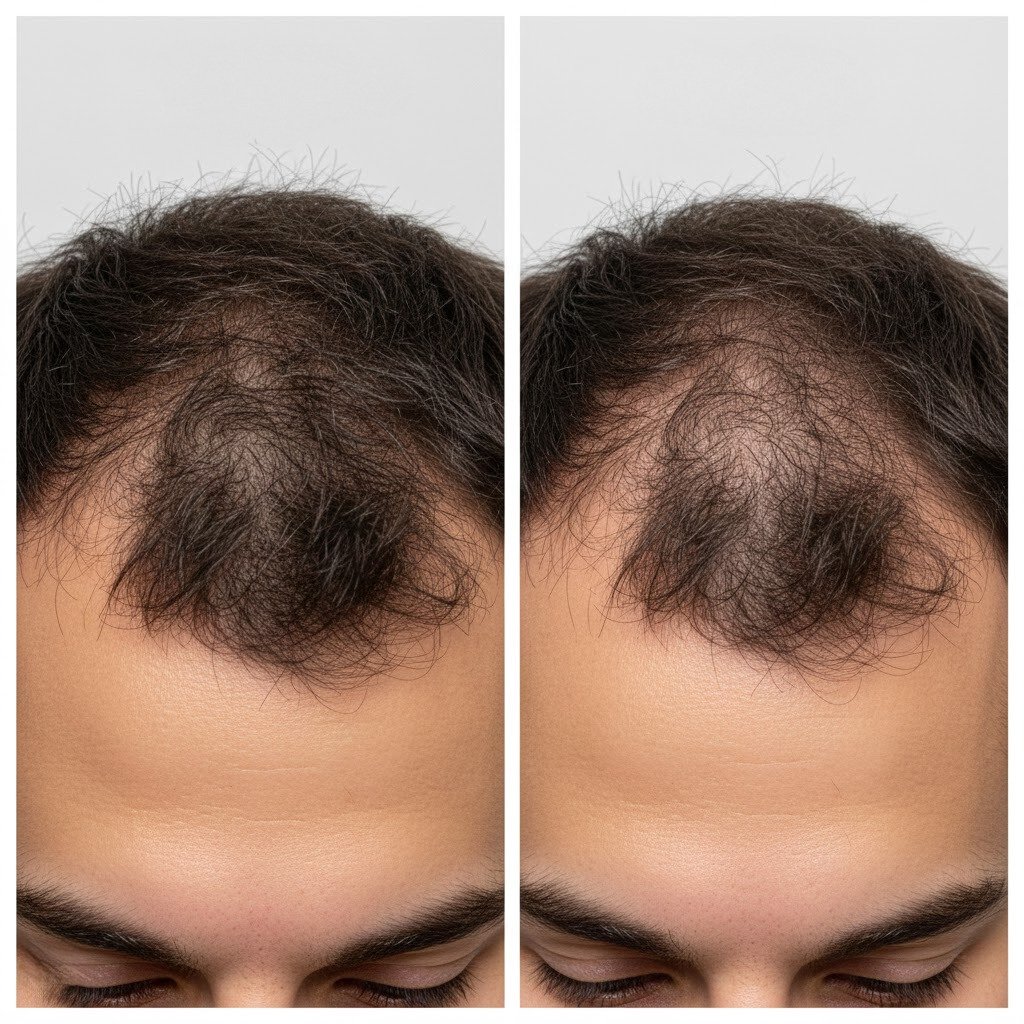
What Does Hair Look Like Before and After Fluoxetine Hair Loss?
Before hair loss from fluoxetine, hair usually appears full and dense with a normal growth pattern. After fluoxetine hair loss, the scalp may show noticeable thinning, especially around the crown or frontal areas. In most cases, shedding is diffuse rather than patchy, giving the hair a limp or less voluminous look.
How to Stop Hair Loss from Prozac
While fluoxetine hair loss is reversible in most cases, recovery requires identifying the cause and supporting healthy regrowth. Here’s how to manage and stop hair loss from Prozac effectively:
1. Consult Your Doctor: Your doctor may adjust the dosage or switch to another antidepressant with a lower risk of hair loss.
2. Monitor Nutrient Levels: Ensure adequate intake of iron, zinc, vitamin D, and biotin.
3. Manage Stress: Stress management techniques like meditation, sleep regulation, and exercise can balance cortisol levels, supporting hair regrowth.
4. Use Mild Hair Care Products: Opt for gentle, sulfate-free formulas to minimize scalp irritation and further shedding.
5. Consider Hair Growth Treatments: Topical minoxidil or PRP (Platelet-Rich Plasma) therapy can stimulate follicles and speed up recovery if hair loss persists after stopping Prozac.
How Effective Is Hair Transplant for Treating Fluoxetine Permanent Hair Loss?
In rare cases where Prozac and hair loss lead to permanent follicle damage, a hair transplant can offer an effective and lasting solution. Once medication-related shedding has stabilized, transplantation can restore density in affected areas.
For those considering medical tourism, getting a hair transplant in Turkey is highly popular due to the combination of advanced techniques, experienced surgeons, and affordable costs. Vera Clinic, one of Turkey’s leading clinics, offers world-class expertise and personalized care for patients experiencing medication-induced hair loss, ensuring natural results and a comfortable recovery process. The signature Vera Clinic expertise Sapphire FUE method helps patients achieve their natural hair transplant dream.
What to Expect Before and After a Hair Transplant for Fluoxetine Hair Loss
Before a hair transplant, areas affected by Effexor and hair loss may appear patchy or thin, with visible signs of medication-related shedding. After the hair transplant, transplanted follicles settle into the thinning areas, and hair gradually begins to grow naturally over the following months.
For visual reference, you can explore a hair transplant before and after gallery to see real-life examples of restored hair and the typical progression post-procedure.
When to See a Dermatologist for Hair Loss due to Fluoxetine
You should consult a dermatologist if fluoxetine hair loss is severe, sudden, or accompanied by scalp inflammation, redness, or itching. Persistent shedding that lasts more than a few months, patchy bald spots, or noticeable thinning across the scalp are also signs that professional evaluation is needed.
A dermatologist can accurately diagnose fluoxetine hair loss, distinguish it from hair loss due to other causes like stress or underlying medical conditions, and recommend targeted treatments to preserve hair density and promote regrowth.
Which Other Types of SSRI Antidepressants Can Cause Hair Loss?
Aside from fluoxetine, several other SSRIs have been associated with ssri hair loss. These include:
- Paroxetine: Can lead to hair shedding due to disruption of the hair growth cycle.
- Sertraline: May contribute to hair thinning in susceptible individuals.
- Citalopram: Linked to temporary hair loss in rare cases.
- Escitalopram (Lexapro): Can cause mild hair shedding in some patients.
- Fluvoxamine: Occasionally reported to affect hair density.
These drug-induced hair loss cases differ from hair loss caused by depression itself, as the mechanism is directly related to the medication’s impact on hair follicle cycling rather than stress hormones. This class of medications is generally discussed in resources covering the List of Antidepressants that Cause Hair Loss, highlighting how SSRI-related hair loss differs from hair thinning due to depression itself.
1. Lexapro
Lexapro (escitalopram) is an SSRI antidepressant that can cause hair loss in some individuals. Hair shedding occurs because SSRIs like Lexapro may disrupt the hair growth cycle, pushing follicles prematurely into the telogen (resting) phase. This lexapro hair loss side effect is generally rare but documented in reports discussing hair loss prozac and other SSRIs.
2. Wellbutrin
Wellbutrin is another antidepressant sometimes associated with hair thinning, though it is less common than SSRIs. Cases of wellbutrin hair thinning and hair loss wellbutrin have been reported, usually reversible after dose adjustment or discontinuation.
3. Paroxetine
Paroxetine can also contribute to hair shedding. While not everyone experiences this effect, patient reviews and clinical reports, including prozac hair loss reviews, note instances of increased hair fall during treatment.
4. Citalopram
Citalopram, like other SSRIs, may cause hair loss in susceptible individuals. This citalopram hair loss effect is thought to be due to alterations in serotonin levels impacting the hair cycle, similar to how can venlafaxine cause hair loss in other antidepressants.
5. Sertraline
Sertraline has been reported to cause sertraline hair loss or sertraline and hair loss in some patients. These cases highlight how SSRI-related hair loss differs from hair thinning due to stress or depression itself.
6. Fluvoxamine
Fluvoxamine, while less commonly associated with hair loss, has documented cases in the context of SSRI-induced alopecia. Similar to other SSRIs, it may disrupt the normal hair growth cycle.
Why Might Switching Antidepressants Reduce the Risk of Hair Loss?
Switching to a different antidepressant can reduce the risk of hair loss, particularly if the shedding was triggered by the original medication. Hair loss from drugs like Prozac is often linked to disruptions in the hair growth cycle or individual sensitivity to the medication. By transitioning to an alternative with a lower likelihood of affecting hair follicles, patients may see a stabilization in hair shedding.
Research indicates that hair regrowth is more likely when the causative antidepressant is discontinued or replaced, supporting strategies for how to stop hair loss from Prozac effectively.
How Can Patients Prevent Hair Loss While Taking Fluoxetine?
Preventing hair loss while on fluoxetine involves a combination of lifestyle adjustments, scalp care, and monitoring medication effects. Although fluoxetine hair loss is rare, these steps can help minimize the risk:
- Maintain a balanced diet: Ensure sufficient protein, iron, zinc, and vitamins that support hair growth. Nutritional deficiencies can exacerbate shedding.
- Gentle hair care: Avoid harsh shampoos, tight hairstyles, or excessive heat styling that can stress hair follicles. Use mild, nourishing shampoos designed for sensitive or thinning hair.
- Manage stress effectively: Stress can compound hair loss. Techniques such as meditation, exercise, or therapy can support overall hair health.
- Regular scalp care: Keeping the scalp clean and healthy can prevent follicle inflammation. Consider mild exfoliation or gentle massaging to improve circulation.
- Consult your physician: If hair shedding is noticeable, discuss dosage adjustments or alternative medications. Studies show that early intervention can help reverse fluoxetine hair loss reversible in many patients.
- Monitor progress: Track hair changes and note any correlation with medication timing. Early detection allows timely solutions before significant thinning occurs.
Implementing these measures can reduce the likelihood of hair loss fluoxetine and support ongoing hair health while continuing antidepressant therapy.